
Dates: October 14–15, 2026
Venue: Ergon Geyseis / University of Thessaly (UTH), Volos, Greece
Event Overview & Timetable: https://indico.egi.eu/event/7081/
Organised by: The GreenDIGIT Consortium, hosted by the University of Thessaly (UTH)
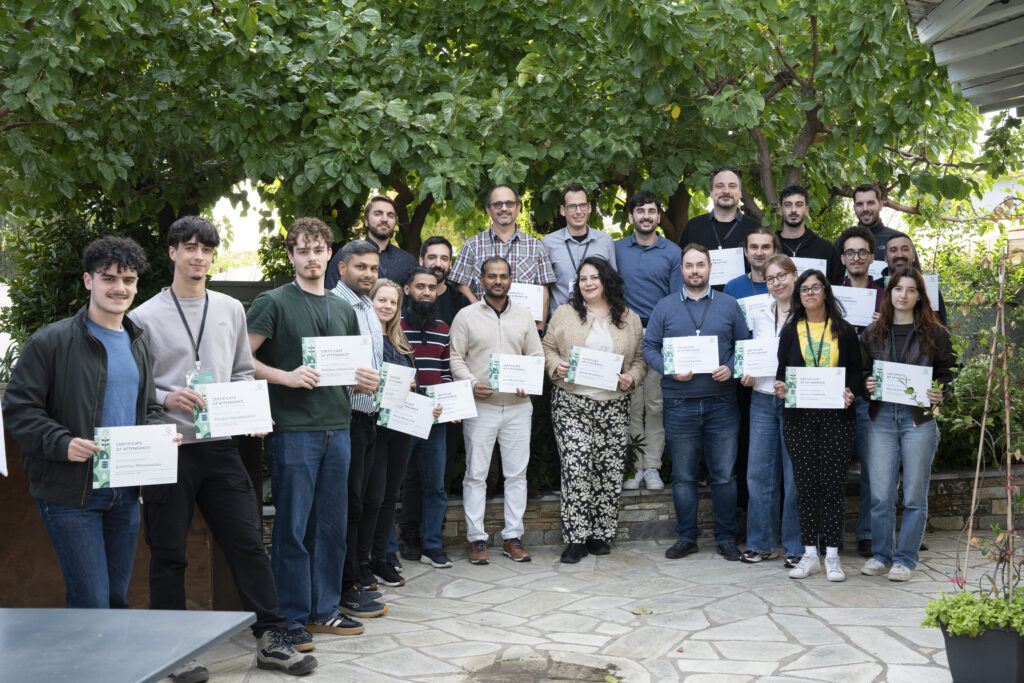
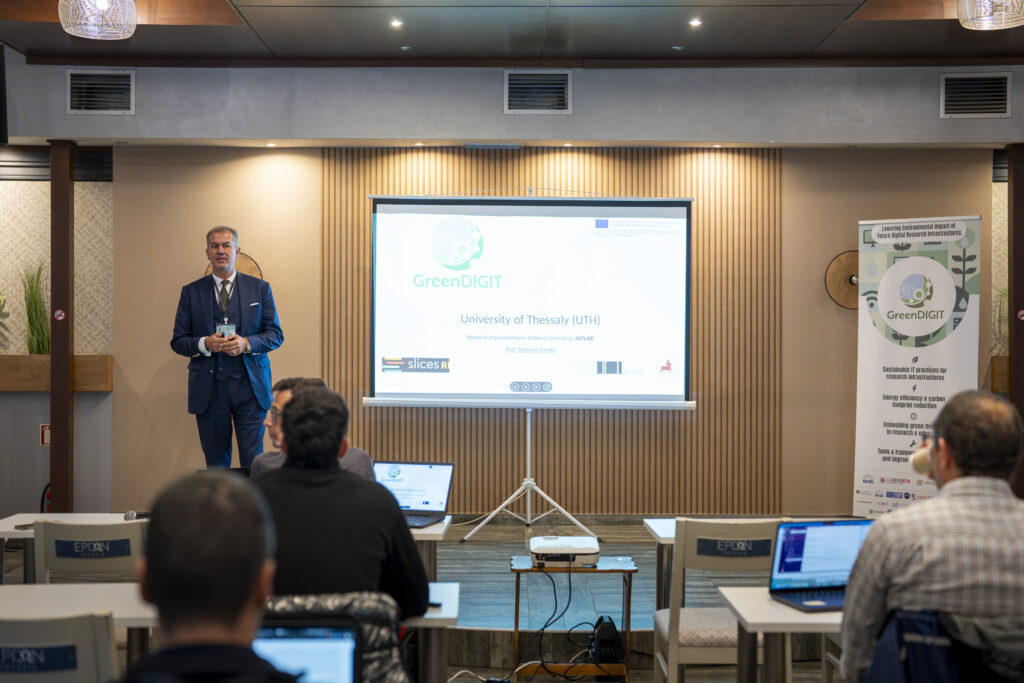
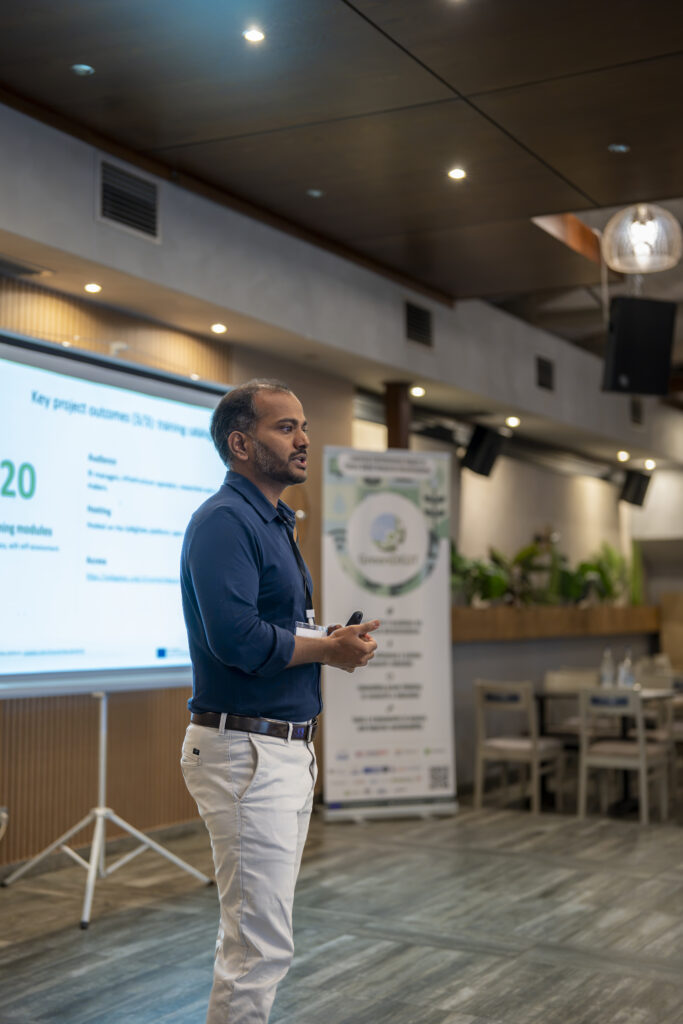
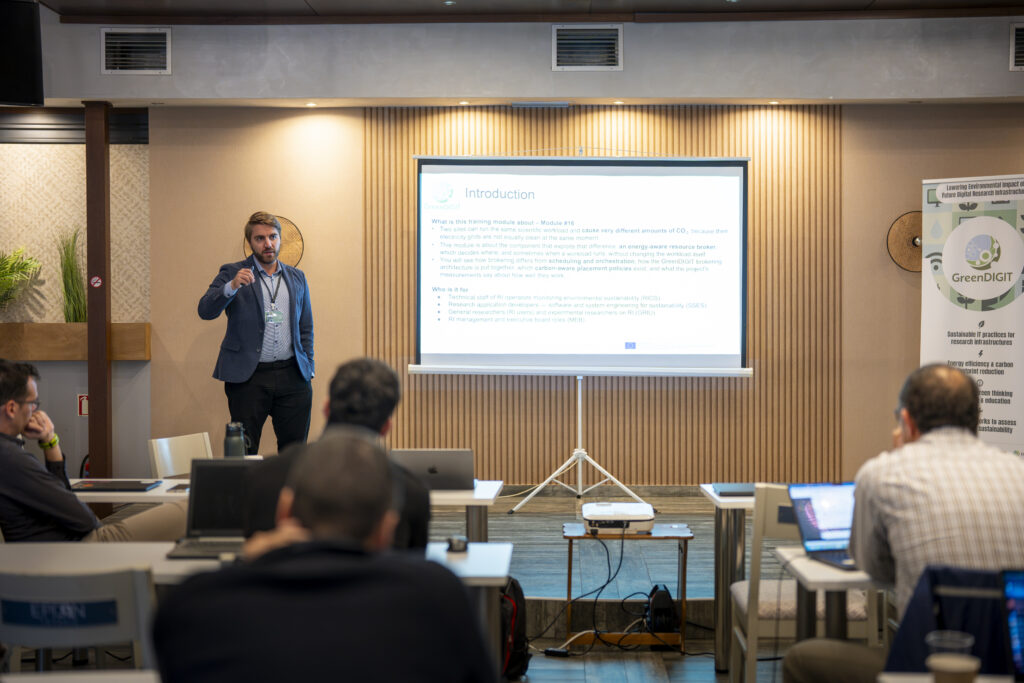
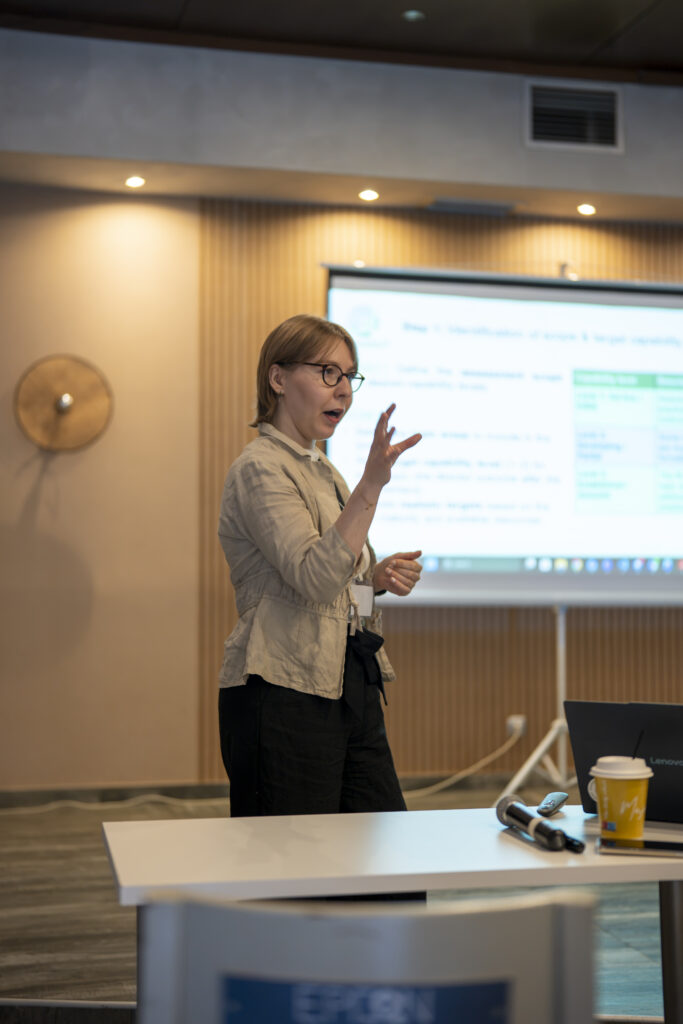
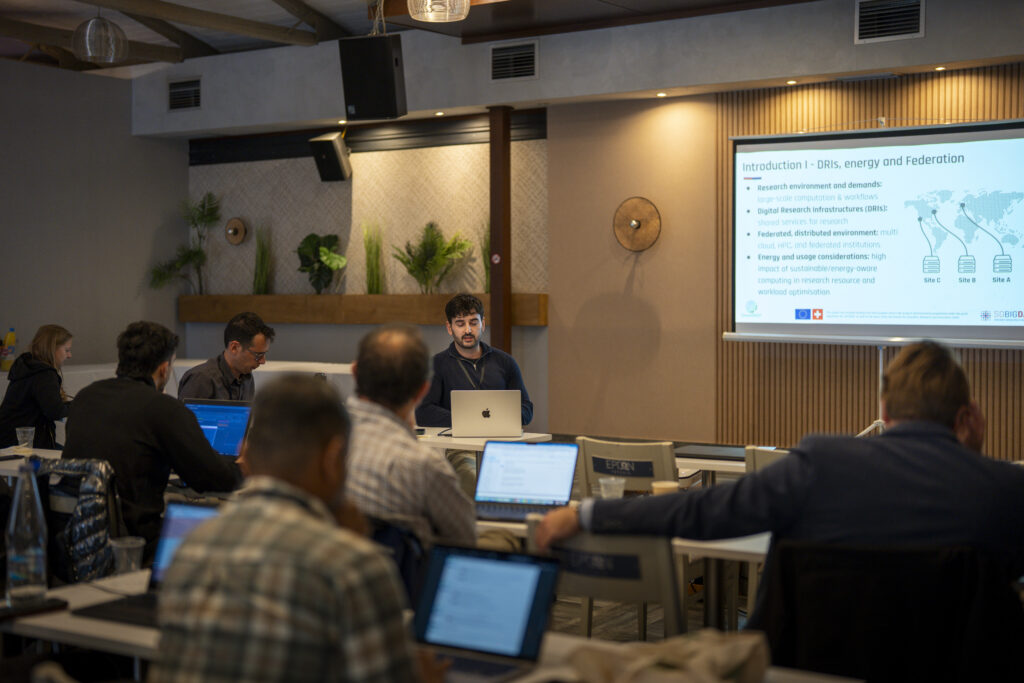
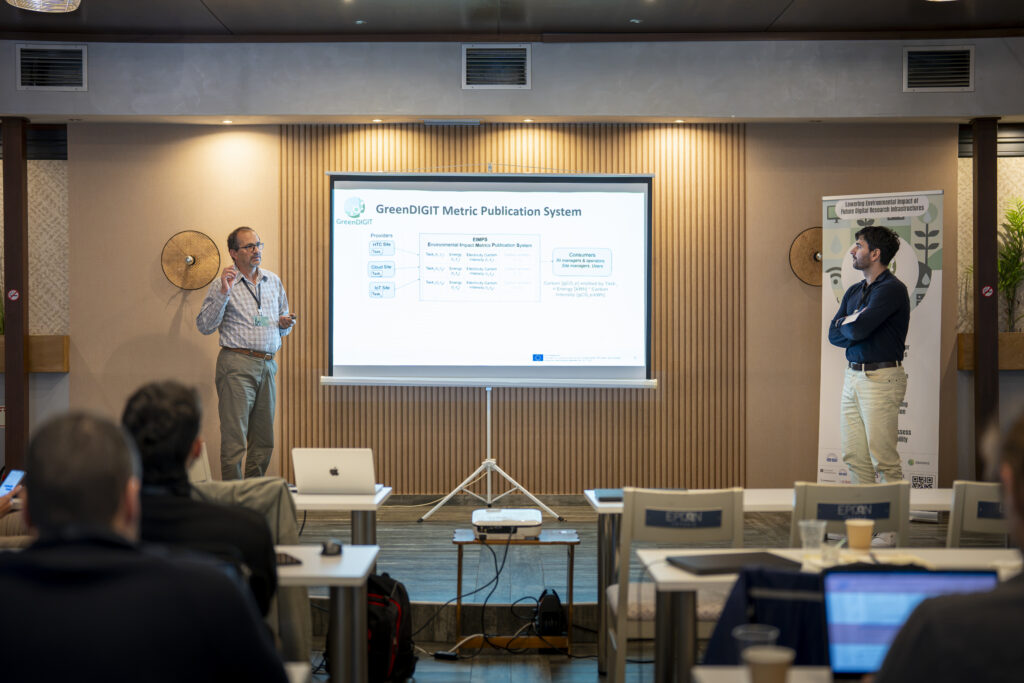
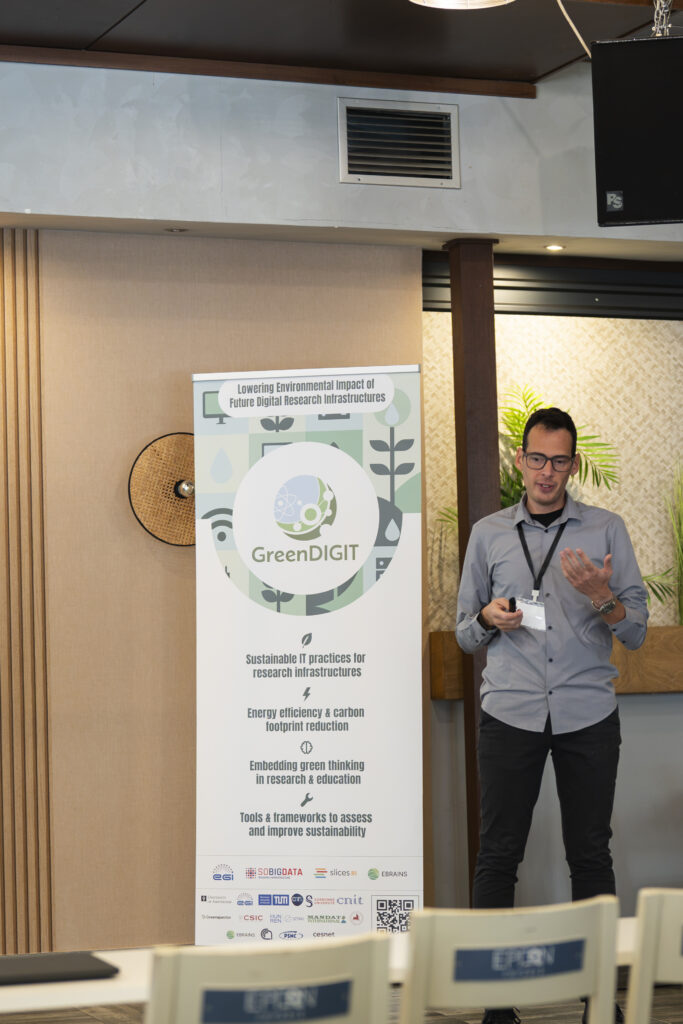
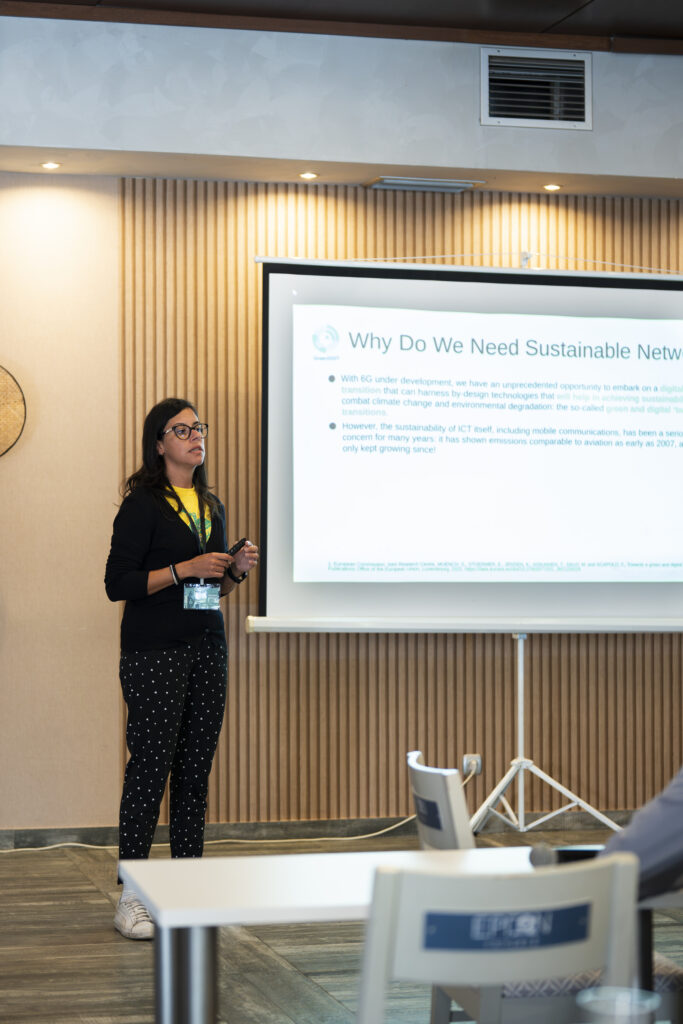
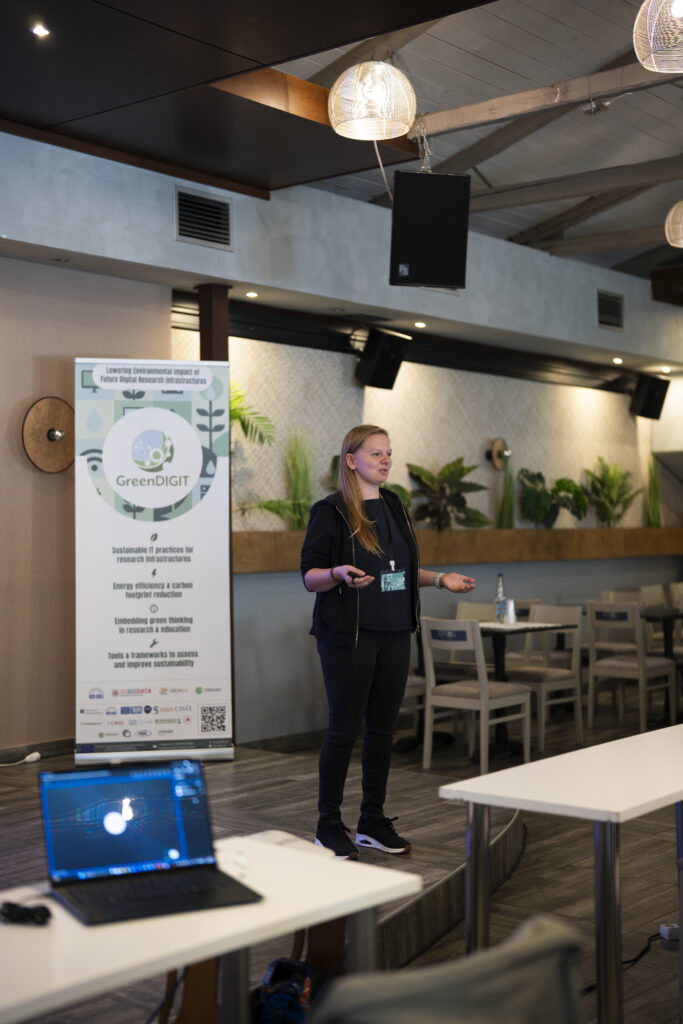
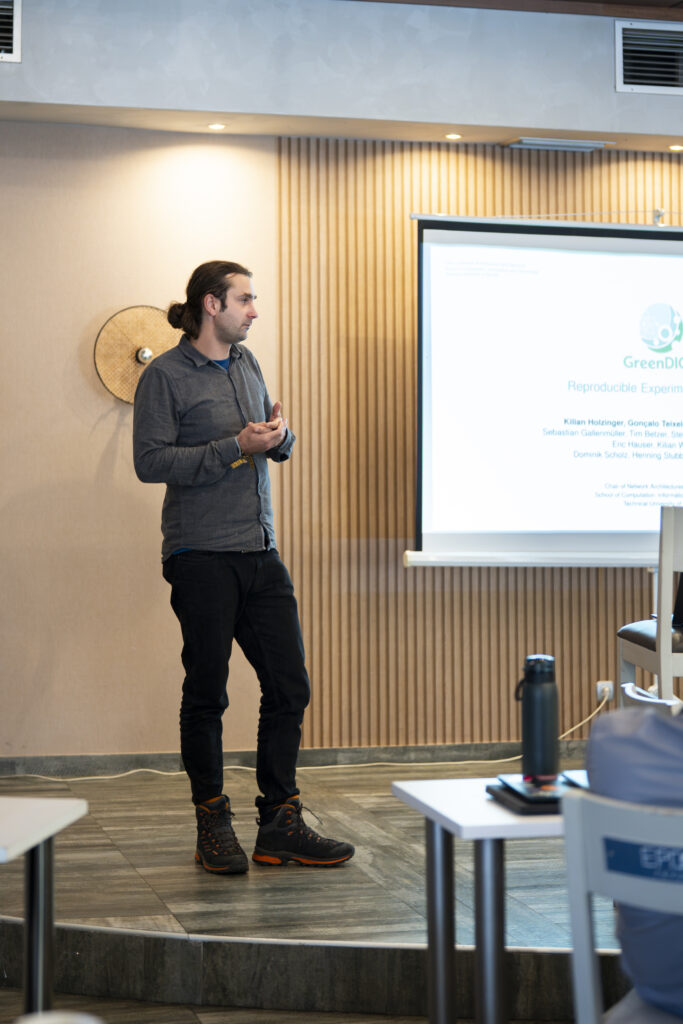
On October 14–15, 2026, the GreenDIGIT EU project brought together researchers, under-graduate & graduate students, for the inaugural GreenDIGIT Autumn School in Volos, Greece. The event focused on addressing the growing climate and environmental footprint of modern, compute-intensive scientific research.
Digital Research Infrastructures (RIs) underpin contemporary science—from high-energy physics and brain mapping to large-scale AI and social analytics. However, the energy consumption, electronic lifecycle, and water and carbon footprints associated with these systems require concrete solutions. Across two days of technical lectures, interactive demonstrations, and hands-on lab sessions, the school translated project research into operational practices.
Key Sessions and Curriculum Highlights
The Autumn School curriculum followed a progression from high-level European environmental policy to concrete infrastructure telemetry and hands-on workflow optimization:
1. Environmental Foundations, Policy & Strategic Governance
Environmental Impact of ICT & Digital Sobriety (Module #17 – CNRS): Analyzing hardware manufacturing footprints, operational energy, and circular economy considerations using Life Cycle Assessment (LCA) methodologies.
EU Policy Landscape, Standards & ESFRI Alignment (Module #9 – UvA): Examining how the European Green Deal, energy efficiency directives, and the ESFRI Roadmap 2026 affect daily governance and infrastructure procurement.
Digital Research Infrastructure Lifecycle Model (DRILM – Module #15 & #10 – UvA): A structured architectural framework connecting shared responsibility, continuous monitoring, and sustainable infrastructure lifecycle design.
2. Telemetry, Metrology & Electricity Grid Tracking
European Electricity Grid Footprints with Wattnet (Module #7 – CSIC): Demonstration of the open-source Wattnet platform, showcasing how real-time, flow-traced European power grid data (carbon intensity and water usage) can guide time- and location-aware workload dispatching.
Environmental Impact Self-Assessment (Module #11 – Mandat International & EGI): Evaluating RI maturity levels using the GreenDIGIT Impact Assessment Methodology and Self-Assessment Questionnaire (SAQ).
Unified Cross-Continuum Infrastructure Monitoring (Modules #6, #13, #18, #19): Practical approaches to infrastructure telemetry, combining:
IoT & Edge Resources (UTH): Power-conscious sensor monitoring and edge device energy modeling.
Cloud Virtualization with Scaphandre (CSIC): Host- and VM-level power consumption metrology via Intel RAPL interfaces, normalized by PUE and ITUE metrics.
Wired Network Telemetry (PSNC): Measuring power draws and carbon footprints of network devices and routing backbones.
Observability Framework (CNIT): Aggregating resource and power metrics across the edge-to-cloud continuum.
3. Grid Flexibility, Brokering & Practical Hands-on VRE Labs
Workload Brokering & Grid-Aware Computing (Modules #12, #14, #16):
Publishing verified metrics through the Environmental Metric Publication System (EGI / UvA).
Algorithmic green resource selection via SZTAKI’s Energy-Aware Brokering Logic.
Dynamic CPU/GPU frequency throttling and grid flexibility through MetaCentrum’s ThrottlePoint toolset (CESNET).
Hands-on Lab: Sustainable Workflows with GreenDIGIT Jupyter VRE (Module #1 – UvA): A 2-hour interactive lab where attendees deployed virtual research notebooks instrumented with live energy telemetry, exported machine-actionable RO-Crate metadata for full computational reproducibility, and tested green workflow scheduling across federated cloud nodes.
Fostering Cross-RI Collaboration
The event served as a collaborative touchpoint between the GreenDIGIT consortium and four participating European Digital Research Infrastructures:
EGI (Federated European Cloud & High-Throughput Computing)
SLICES (Scientific Large-scale Infrastructure for Computing/Communication Experimental Studies)
SoBigData (Research Infrastructure for Social Mining & Big Data Analytics)
EBRAINS (European Infrastructure for Brain Research and Neuroinformatics)
Materials & Open Science Access
To maximize reuse across European academia and research institutions:
Training Modules: Modules presented during the school are being made openly available via SobigData Academy.
Indico Timetable & Slides: Presentation materials and session agendas remain archived on the event page: